



Tongzhou Global Development Forum (2025) — Sub-Forum on “Global Food Systems and Security”: Gathering Global Wisdom to Build Food Security Together
On October 17, 2025, the Sub-Forum on “Global Food Systems and Security” of the Tongzhou Global Development Forum (2025) was held at the Tongzhou Campus of Renmin University of China. The forum was jointly organized by the School of Agricultural Economics and Rural Development, the Institute for China Rural Revitalization, and the Communist Youth League Committee of Renmin University of China.Bringing together leading academic experts, representatives from international organizations, and media professionals from around the world, the forum centered on the theme of “Global Food Systems and Security”.Discussions focused on three key dimensions—policy coordination, technological innovation, and youth engagement—and delved deeply into core issues such as food security, food system resilience, and supply-demand balance.The forum was chaired by Professor Lyu Jie, Dean of the School of Agricultural Economics and Rural Development, and provided commentary by Associate Dean Mao Xuefeng.

Li Ming, Assistant to the President of Renmin University of China, attended the forum and delivered opening remarks. Karen Martinez, Senior Project Expert of the United Nations Centre for Sustainable Agricultural Mechanization; Li Jianwei, Director of the Department of Social and Cultural Development Research, Development Research Centre of the State Council; Hu Xiangdong, Director of the Institute of Agricultural Economics and Development,Chinese Academy of Agricultural Sciences; and Cheng Guoqiang, Dean of the National Food Security Strategy Research Institute,Renmin University of China,;They delivered keynote speeches. Andre Luis Ferreira from KU Leuven and Chen Yiming from Renmin University of China shared their research outcomes as representatives of young scholars.

Li Ming noted that in the face of the triple challenges of climate crises, geopolitical conflicts, and development transitions, food security is closely tied to humanity’s fundamental rights to survival and development. He emphasized that China, guided by a major-country perspective, has achieved new heights in production resilience, driven quality and efficiency gains through technology, and continuously upgraded governance systems. He further stated that Renmin University of China will continue to deepen theoretical innovation and distill paradigms from China’s rural development practices;promote interdisciplinary integration and carry out relevant research;cultivate young talent and internationalize Chinese experiences to encourage youth participation in global food governance,contributing China’s strength and wisdom to global food security governance.
The keynote speakers delivered excellent reports centered around the forum's theme.

Karen Martinez highlighted that agriculture lies at the heart of livelihoods and economies in the Asia-Pacific region, yet the region faces prominent food security challenges under the pressures of climate change and other factors. She emphasized that countries across the region should strengthen cooperation in technology, experience, and strategy sharing to accelerate the creation of resilient, inclusive, and climate-smart food systems, advancing the 2030 Sustainable Development Goals on poverty reduction, zero hunger, and climate action. Karen Martinez underscored that addressing food insecurity requires not only technological innovation but also strong partnerships, enabling policies, and investment in human capacity.
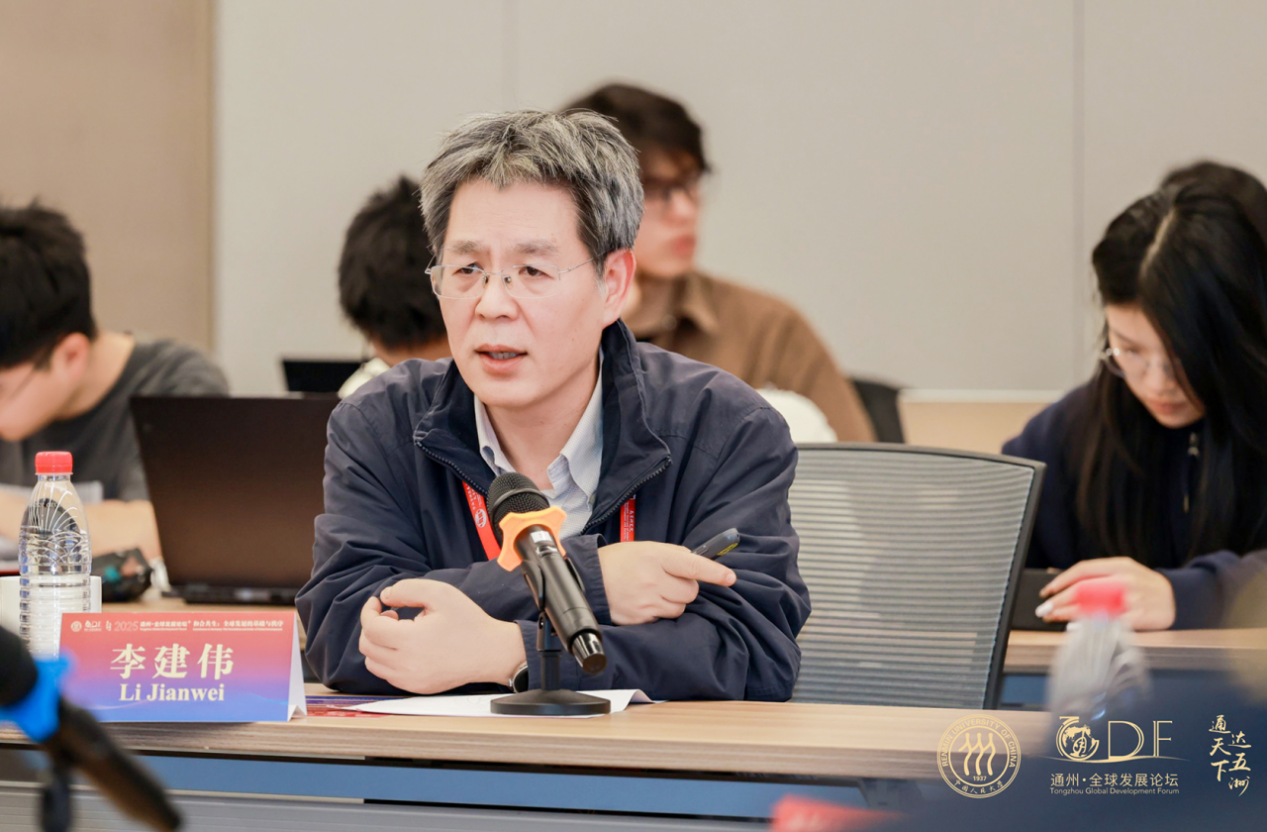
Li Jianwei discussed the impact of demographic changes on economic development and rural revitalization. He noted that China’s population has reached a structural turning point, with rural aging intensifying and permanent rural populations expected to continue declining. This demographic shift brings challenges such as shrinking labor supply, slowing economic growth, elder care difficulties, and limited income growth for migrant farmers. He stressed that rural revitalization must focus on food security, ecological protection, and cultural inheritance, proposing measures such as empowering farmers as key actors and promoting scaled agricultural operations.
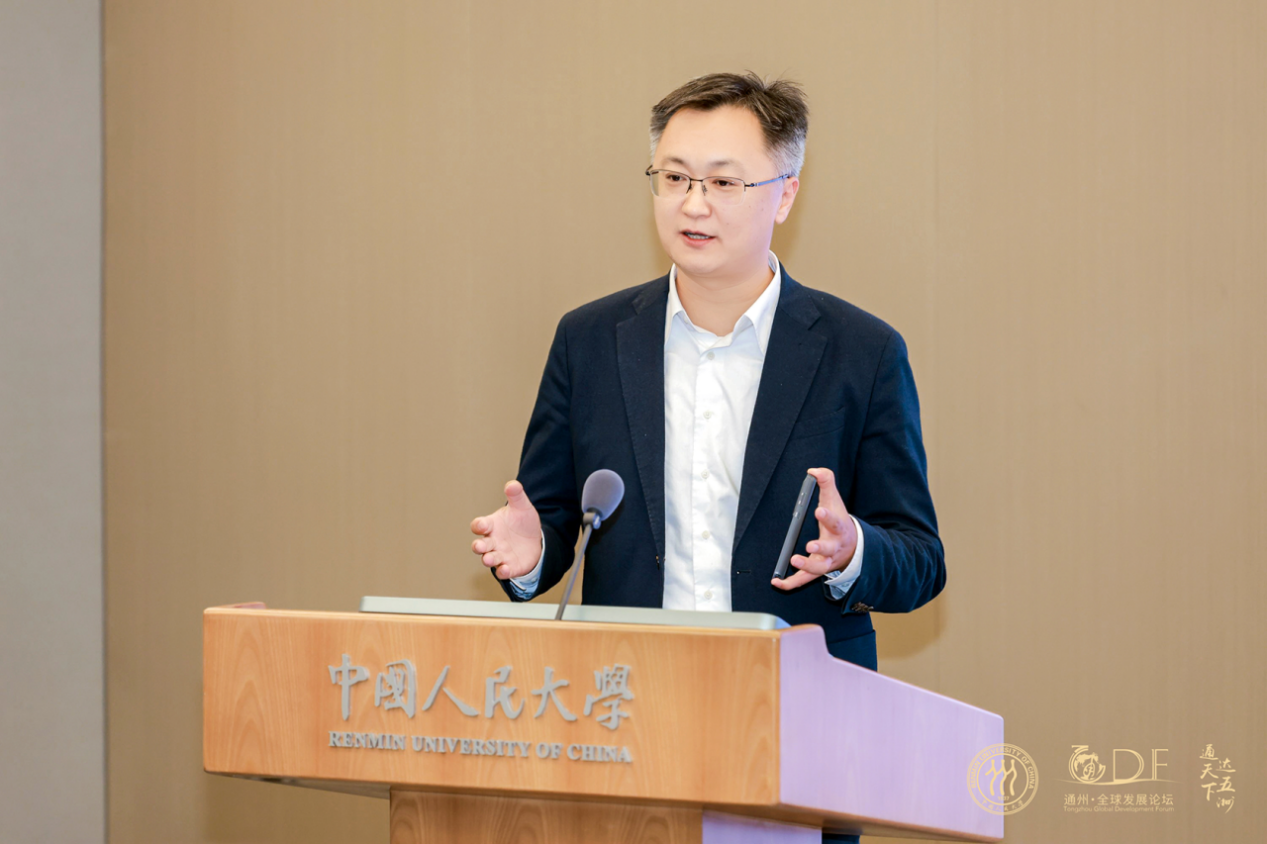
Hu Xiangdong centered his report on two critical themes: “Food Supply–Demand Matching” and “High-Quality Agricultural Development.”He analyzed key factors driving the shift in food demand from “enough to eat” toward “eating well and eating nutritiously.”From multiple perspectives, he analyzed the challenges of industrial upgrading and supply-demand matching. He proposed that solutions should be multi-dimensional, including: optimizing production layout on the supply side, upgrading storage and logistics, strengthening quality control, reducing food waste, accelerating technology diffusion, advancing rule-making, and fostering production capacity cooperation,collectively driving China’s agricultural modernization and structural optimization.
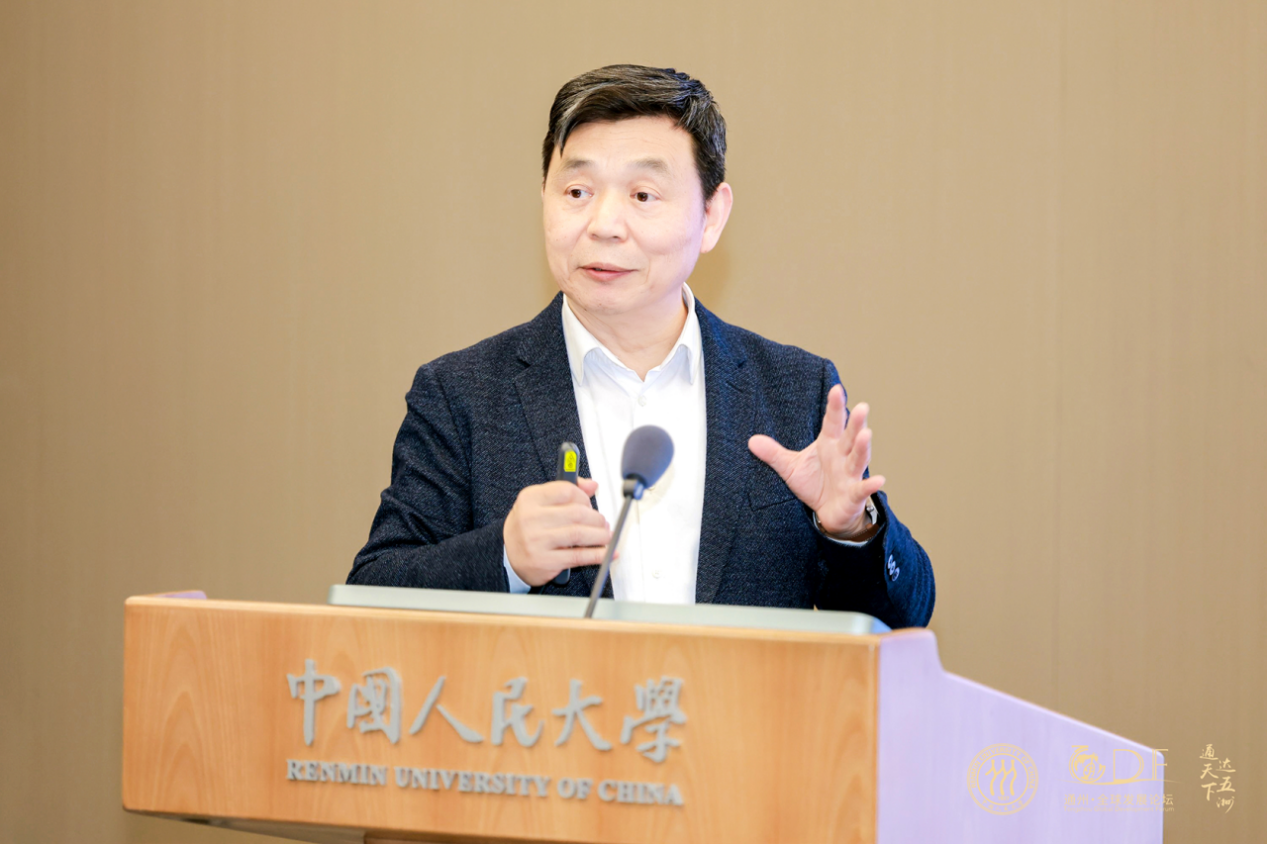
Cheng Guoqiang focused on deepening global cooperation in food security governance, emphasizing that global food security faces severe challenges. In 2024, the number of people suffering from hunger worldwide remained as high as 673 million, while food price inflation stayed elevated,revealing major flaws in the global food governance system. Cheng Guoqiang highlighted that China, with less than one-tenth of the world’s arable land and water resources, manages to feed one-fifth of the global population, thanking to its fundamental strategy of self-reliance and domestic focus, along with its transition from ensuring quantity to improving quality. He proposed strengthening global macro-policy coordination, deepening international cooperation in agricultural science and technology, improving global food governance system, increasing support for developing countries, and building efficient, inclusive regional cooperation platforms.
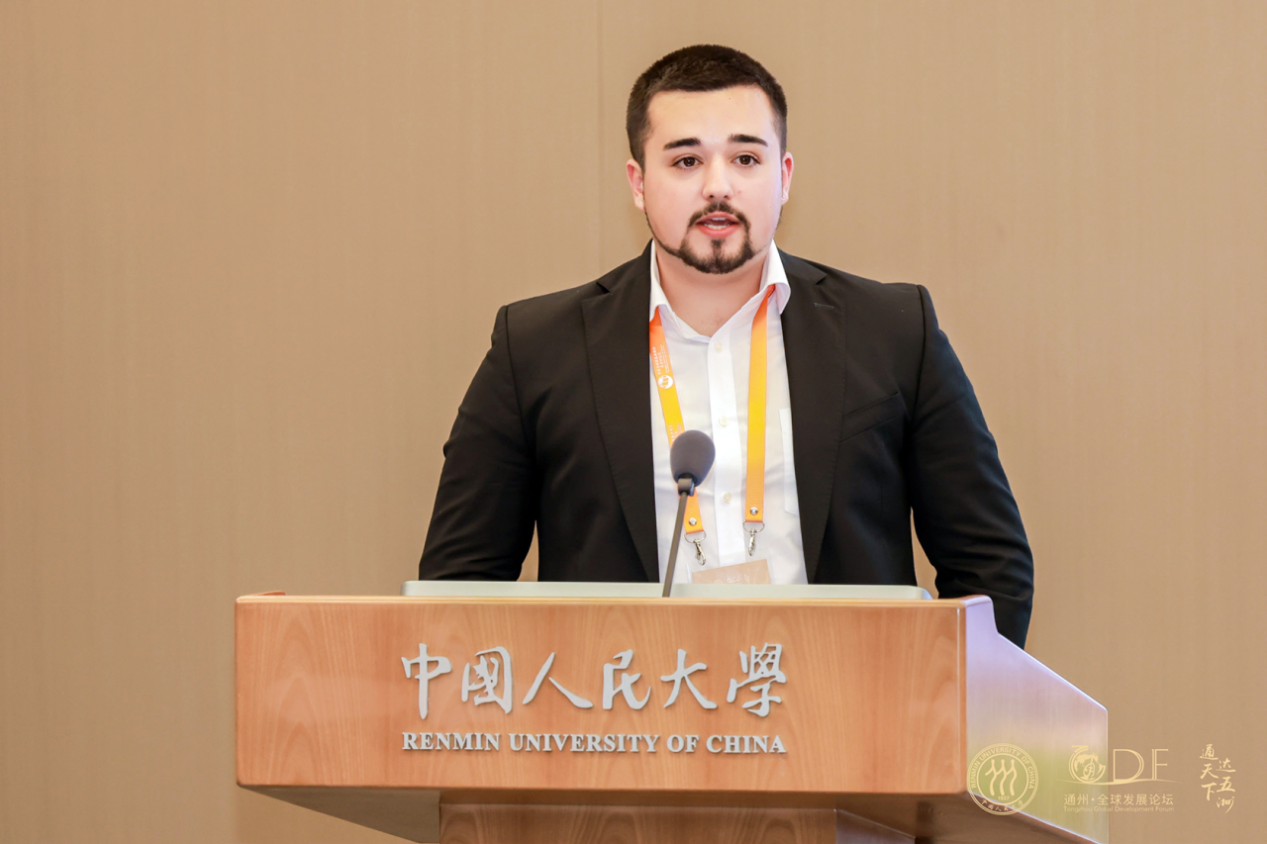
Andre Luis Ferreira, a master’s student at KU Leuven and representative of the champion team in the first Global Development Public Policy Youth Innovation Competition, delivered a speech titled “Turning Waste into Value: A Mobile Circular Food Ecosystem for Kenya’s Food Security and Climate Resilience.” He introduced a project that uses mobile solar units to convert surplus food into storable products, combined with AI-based inventory and route optimization to reduce waste and support community development. He emphasized that modular technologies must integrate with public policy to achieve sustainable food security and climate resilience. Ferreira’s field-based presentation illustrated the practical value of technological innovation in addressing real-world food challenges and infused a youth perspective into the construction of resilient food systems.
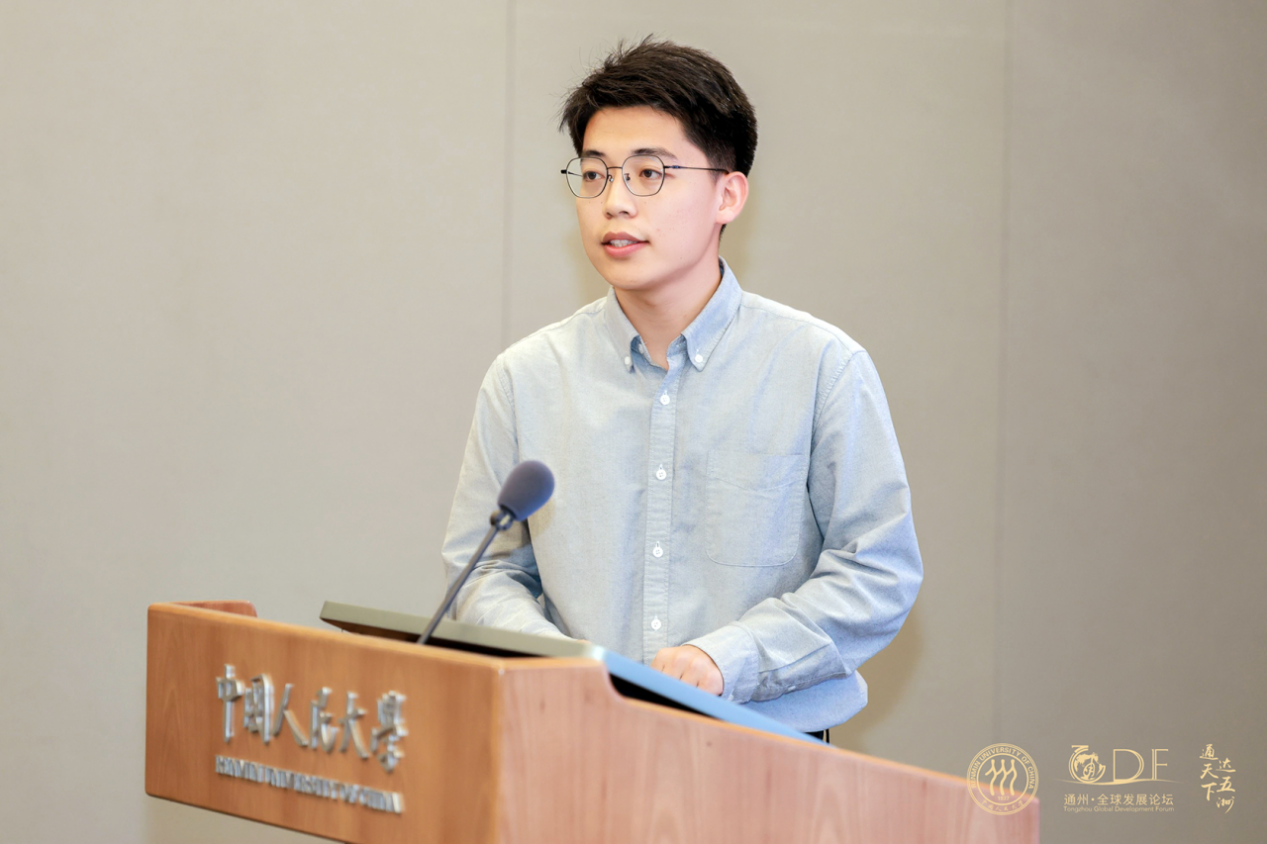
Chen Yiming, a doctoral candidate at the School of Agricultural Economics and Rural Development, Renmin University of China, presented on the topic“The Formation of China’s Grain Prices under an Open Economy and Policy Intervention.”He explained that the formation of China’s grain prices follows a dual mechanism driven by both policy and market forces: during periods of strong price protection, domestic procurement markets play the leading role, while in weaker protection periods, international markets exert greater influence. He further analyzed how global macroeconomic fluctuations, transmitted through exchange rates and oil prices, affect grain prices,and emphasized the importance of clearly defining the boundaries of policy intervention in reserve regulation. Chen’s presentation reflected how Chinese youth can draw on domestic practices to contribute innovative insights to national and global food security.
The forum aimed to build an academic exchange platform integrating global perspectives, policy coordination, and youth wisdom. Food security, as a critical issue for the community of shared future for humankind, requires collective wisdom and concerted efforts.Through in-depth discussions, participating experts and scholars explored strategies to enhance the resilience and sustainability of global food systems.The successful convening of this forum try to translate “global consensus” into “collective action”,contributing to the realization of global food security and sustainable development goals.