

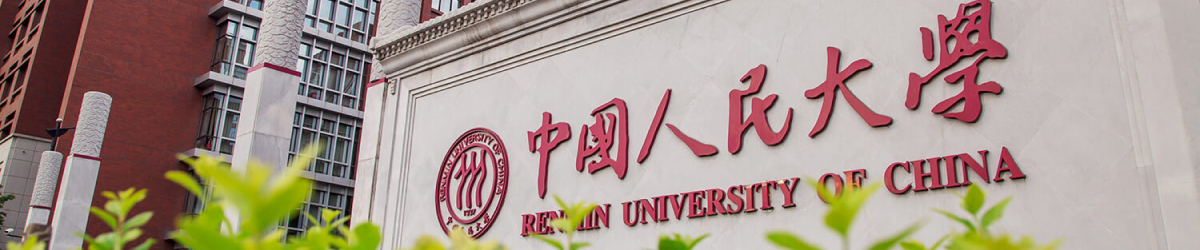

The 2025 World Food Day and National Food Security Publicity Week Main Venue Activities Held at Renmin University of China
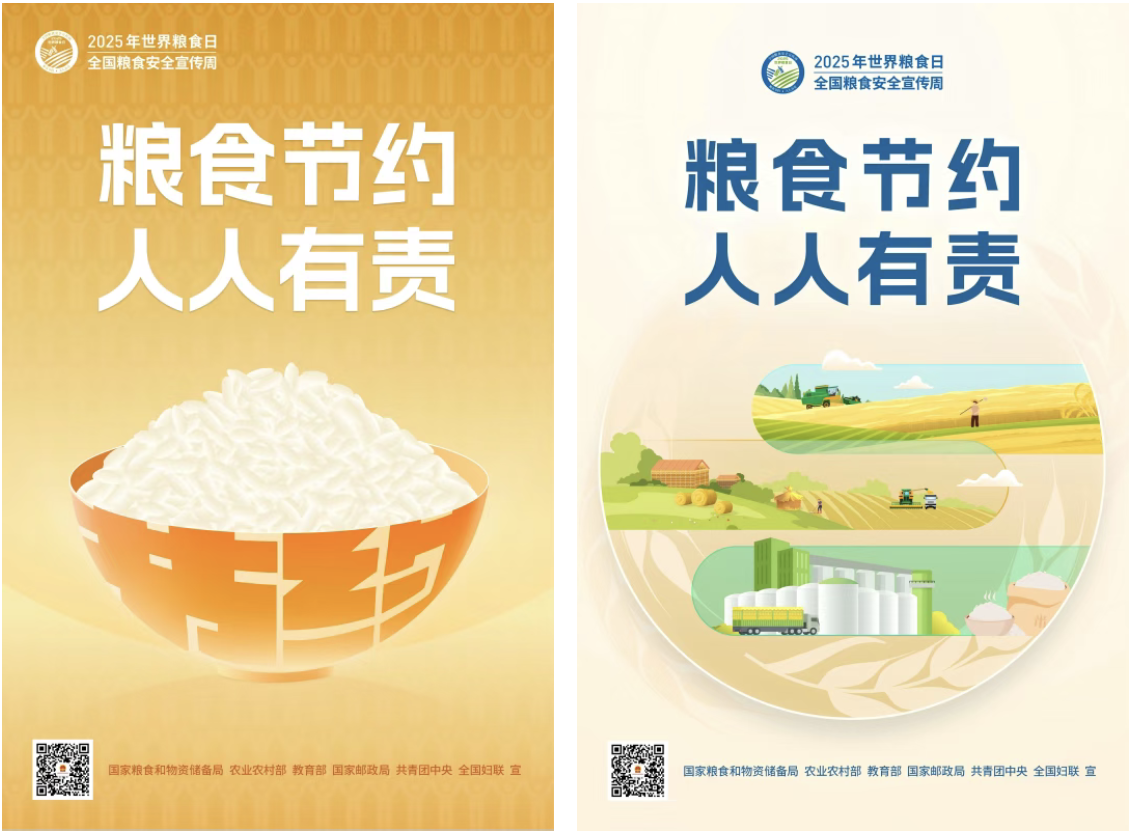
October 16, 2025 marked the 45th World Food Day. The Food and Agriculture Organization of the United Nations set this year’s global theme as “Hand in Hand for Diverse Cuisines, Jointly Creating a Better Future.”This week also marks China’s Food Security Publicity Week, themed “Saving Food is Everyone’s Responsibility.” Have you finished your meal today without waste?
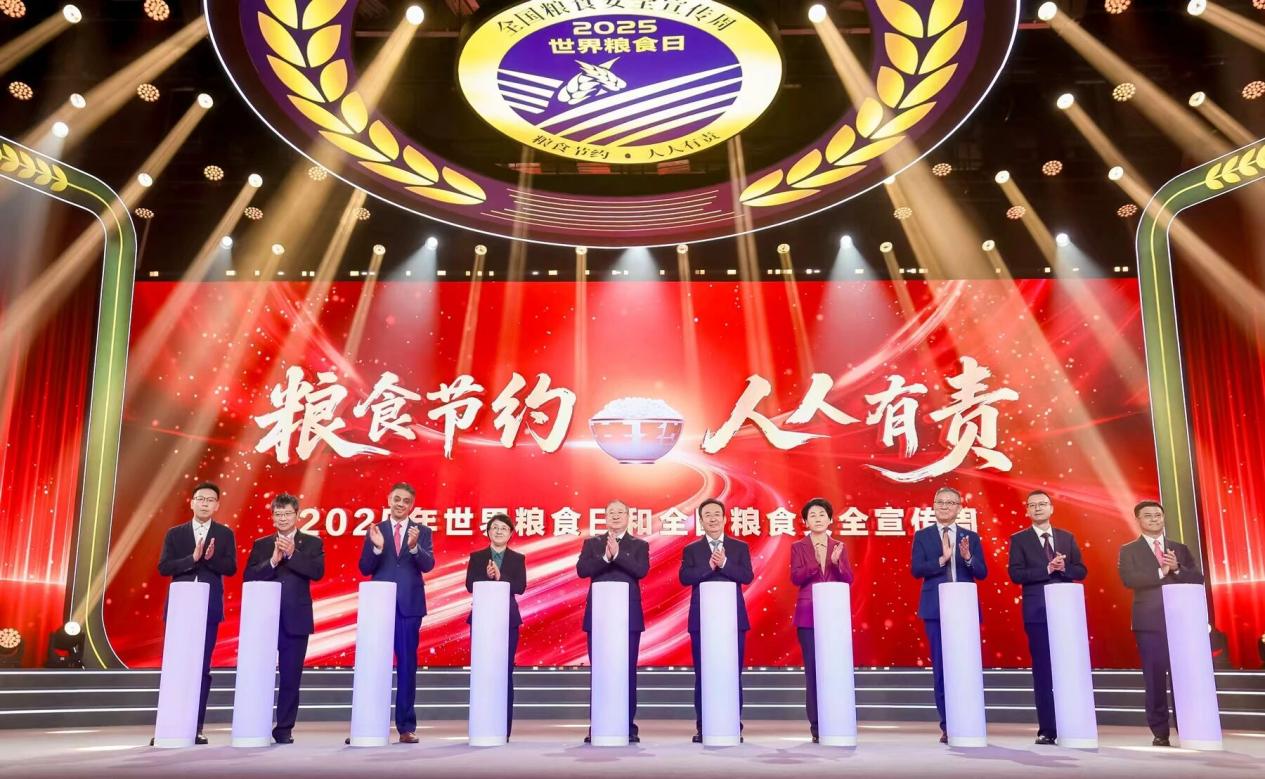
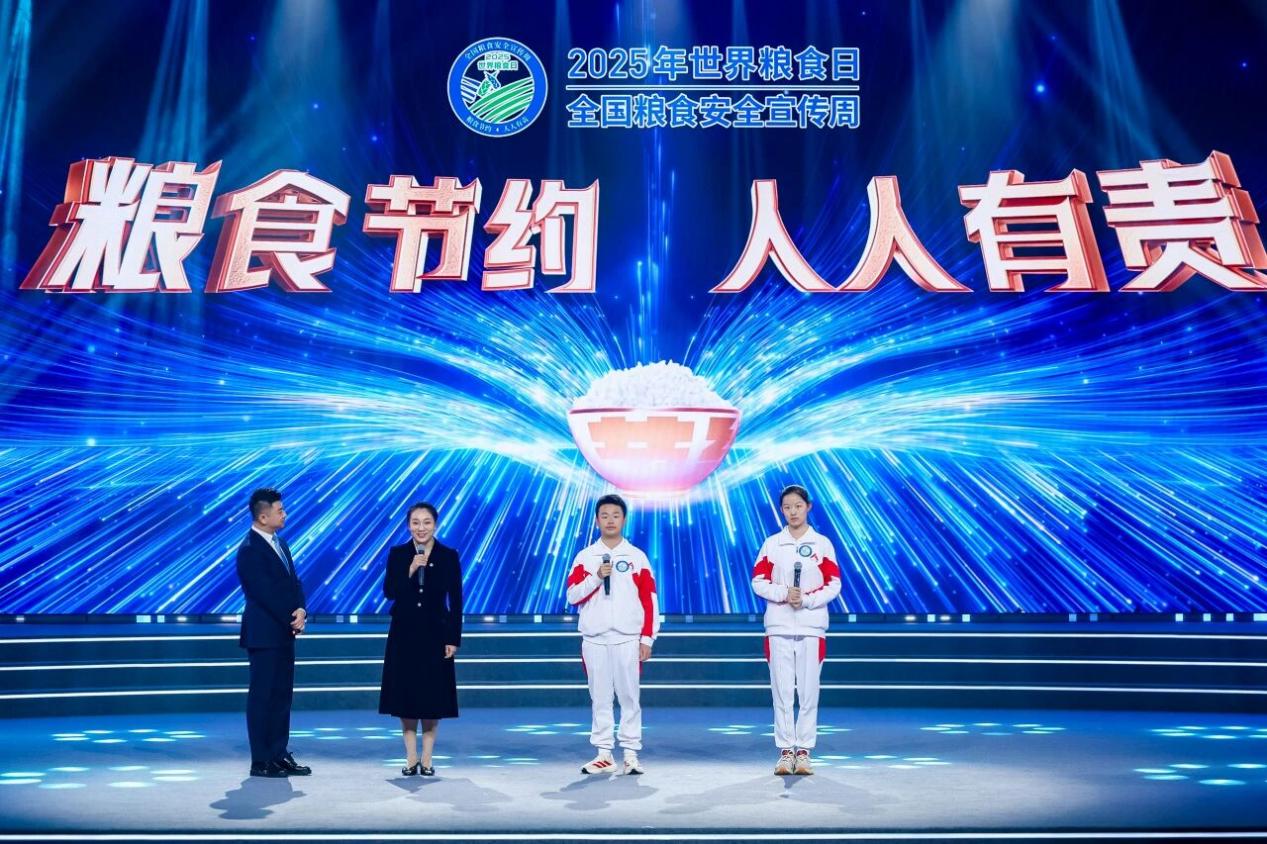
On October 16, The Main Venue Activities of the 2025 World Food Day and National Food Security Publicity Week was held at Renmin University of China. The event was co-hosted by the National Food and Strategic Reserves Administration, Ministry of Agriculture and Rural Affairs, Ministry of Education, National Post Bureau, Communist Youth League of China Central Committee, China Women’s Federation, the Beijing Municipal People’s Government, and the Food and Agriculture Organization of the United Nations.
Liu Huanxin, Member of the Party Leadership Group of the National Development and Reform Commission and Party Secretary and Director of the National Food and Strategic Reserves Administration, attended the event and delivered a speech.Xia Linmao, Member of the Standing Committee of the Beijing Municipal Committee of the Communist Party of China and Executive Vice Mayor of Beijing; Lin Shangli, Deputy Secretary of the Communist Party of China Committee and President of Renmin University of China; representatives from the Ministry of Agriculture and Rural Affairs; and Carlos Watson, FAO Representative to China, also delivered remarks.
Other distinguished attendees included:Shen Hongyan, Member of the Party Leadership Group and Deputy Director of the National Post Bureau;Song Li, Secretary of the Secretariat and Member of the Party Leadership Group of the All-China Women’s Federation;Zhao Bing, WFP Representative to China;Nie Zhenbang, Advisor to The Food and Material Reserve Security Policy Expert Advisory Committee and former Secretary of the Party Leadership Group and Director of the State Administration of Grain;Ren Zhengxiao, Advisor to The Food and Material Reserve Security Policy Expert Advisory Committee, former Secretary of the Party Leadership Group and Director of the State Administration of Grain, and former Deputy Secretary of the Working Committee of Central and State Organs;Wang Hong, Member of the Party Leadership Group and Deputy Director of the National Food and Strategic Reserves Administration;Wang Juan, Member of the Party Leadership Group and Deputy General Manager of the China Grain Reserves Group;Wang Dongtang, Deputy Secretary of the Party Leadership Group of COFCO Group;Zhu Xinkai, Executive Vice President of Renmin University of China and Vice Chair of the Expert Advisory Committee on National Food and Material Reserve Security Policies;Huang Wei, Vice Chair and Secretary-General of the Expert Advisory Committee on National Food and Material Reserve Security Policies and former Member of the Party Leadership Group and Deputy Administrator of the National Food and Strategic Reserves Administration;Leaders from the Publicity Department of the Communist Party of China Central Committee, the Ministry of Education, the Central Committee of the Communist Youth League of China, People’s Publishing House, and the China National Ethnic Song and Dance Ensemble also attended the event.
President Lin Shangli remarked that food security is a matter of “paramount national importance,” bearing on the overall situation, the long term, and the foundation of governance.Renmin University of China has been a pioneer, founder, and leader in agricultural economics in New China. It has been deeply involved in major national tasks such as strategic consultation on food security, formulation of macro policies for key agricultural products, and evaluation of poverty alleviation efforts.This year, hosting the main event of World Food Day and National Food Security Publicity Week at Renmin University is not only a unique and vivid lesson in ideological and political education, but also a lively practice of integrating ideological education across primary, secondary, and higher education.In the future, Renmin University of China will root its work in China’s practices, focusing on theoretical innovation and policy research at the frontier of national food security issues;Harness technological transformation, advancing breakthroughs in core technologies and promoting the transformation and application of research results;Broaden its global vision, participating in global food governance from a strategic perspective;Uphold value-oriented education, integrating food security and food-saving awareness into the entire process of cultivating virtue and talent.Renmin University of China will consolidate the foundation of food security through solid research, cultivate talents for food saving and agricultural development through innovation, and contribute to global food and agricultural governance through openness and cooperation—striving to make new and greater contributions to safeguarding national food security and promoting global sustainable development.
Liu Huanxin emphasized that “when the granaries are full, the world is at peace.” Since the 18th National Congress of the Communist Party of China, The Party Central Committee with Comrade Xi Jinping at its core has made solving the problem of food as the top priority in governing the country. The Party proposed a new concept of food security, established a national food security strategy, and led China to achieve historic progress in this field.The comprehensive grain production capacity has continued to improve, with significant achievements in grain conservation and loss reduction across the entire supply chain. The coordinated security capabilities of production, procurement, storage, processing, and sales have been continuously strengthened, achieving basic self-sufficiency in grains and absolute security in staple food. China's granaries stand as solid as Mount Tai, and China's food bowl is held more firmly. The food security of over 1.4 billion people has been effectively guaranteed, and China has provided assistance within its capacity to countries in need, contributing China's strength to global food security.
Liu stressed that ensuring food security requires efforts on both ends—production increase and loss reduction. To advance food saving and loss reduction, multiple measures must be taken with meticulous and sustained efforts.Efforts should be made to establish a long-term and normalized mechanism, firmly establishing the awareness that "increasing production must be achieved through conservation, and conservation is the key to increasing production," and improving the long-term mechanism for grain conservation. Efforts should also be made to enhance coordination across the entire supply chain, advancing the green storage improvement initiative for grain, actively promoting the systematic integration of green grain storage technology innovations, and vigorously implementing the national whole grain action plan. Efforts should be made to strengthen technological support, accelerating the pace of innovation in grain conservation and loss reduction technologies, product applications, and equipment upgrades, while improving relevant national, industry, and group standards to fully leverage the empowering role of science and technology. Efforts should be made to encourage public participation, vigorously promoting the traditional virtue of diligence and thrift, advocating a culture of loving and conserving grain, and widely conducting theme campaigns such as "Eat Less Oil, Eat Better Oil, and Be Healthier" to promote healthy consumption among residents. Efforts should also be made to deepen international exchanges and cooperation, earnestly implementing the Global Development Initiative, the Global Security Initiative, the Global Civilization Initiative, and the Global Governance Initiative, actively sharing China's experience, and working together to contribute more to maintaining global food security and implementing the UN 2030 Agenda for Sustainable Development.
Xia Linmao noted that Beijing has earnestly implemented General Secretary Xi Jinping’s important instructions on national food security and thoroughly enforced the Food Security Guarantee Law, shouldering its political responsibility to ensure food security. The city focuses on cultivating farmland and improving seeds to enhance food production capacity, optimizes food reserves and supply guarantees, fulfills local grain reserve requirements, and builds a Beijing-Tianjin-Hebei regional food emergency support system.Beijing has also strengthened grain purchasing and market regulation, maintaining stable grain and oil markets. In promoting food saving and loss reduction, Beijing enacted the Regulations on Anti-Food Waste in Beijing and issued local standards such as the Norms for Food Saving and Loss Reduction, fostering a strong social ethos of cherishing food and practicing scientific and balanced diets.
A representative from the Ministry of Agriculture and Rural Affairs stated that the Ministry has always been committed to coordinating domestic and international situations to ensure food security.Domestically, it has rigorously implemented the "grain storage in land and technology" strategy to strengthen food security foundations. Internationally, it actively participates in building a global food and agriculture governance system. The ministry advocates establishing an international food loss reduction mechanism with loss reduction as the cornerstone, promoting agricultural innovation sharing through technological support, and focusing on small-scale yet impactful livelihood projects to narrow global food security gaps.Moving forward, China is willing to collaborating with the international community to create a new global food security vision featuring diverse diets, balanced nutrition, and zero hunger.
Carlos Aldo stated that over the past eighty years since its establishment, the UN Food and Agriculture Organization (FAO) has helped countries and communities worldwide increase food production and improve nutritional value. In today's world, where regional conflicts persist, extreme weather events occur frequently, and food loss and waste are increasingly severe, the mission of the UN Food and Agriculture Organization is more relevant than ever. On this year's World Food Day, we call for concerted efforts to accelerate the transformation of agricultural food systems, aiming to achieve better production, better nutrition, a better environment, and a better life, leaving no one behind. The National Food Security Awareness Week fully demonstrates China's food security governance philosophy, mobilizing all sectors of society to actively practice the concept of a comprehensive food approach and promote the formation of a positive social atmosphere where "food conservation is everyone's responsibility".
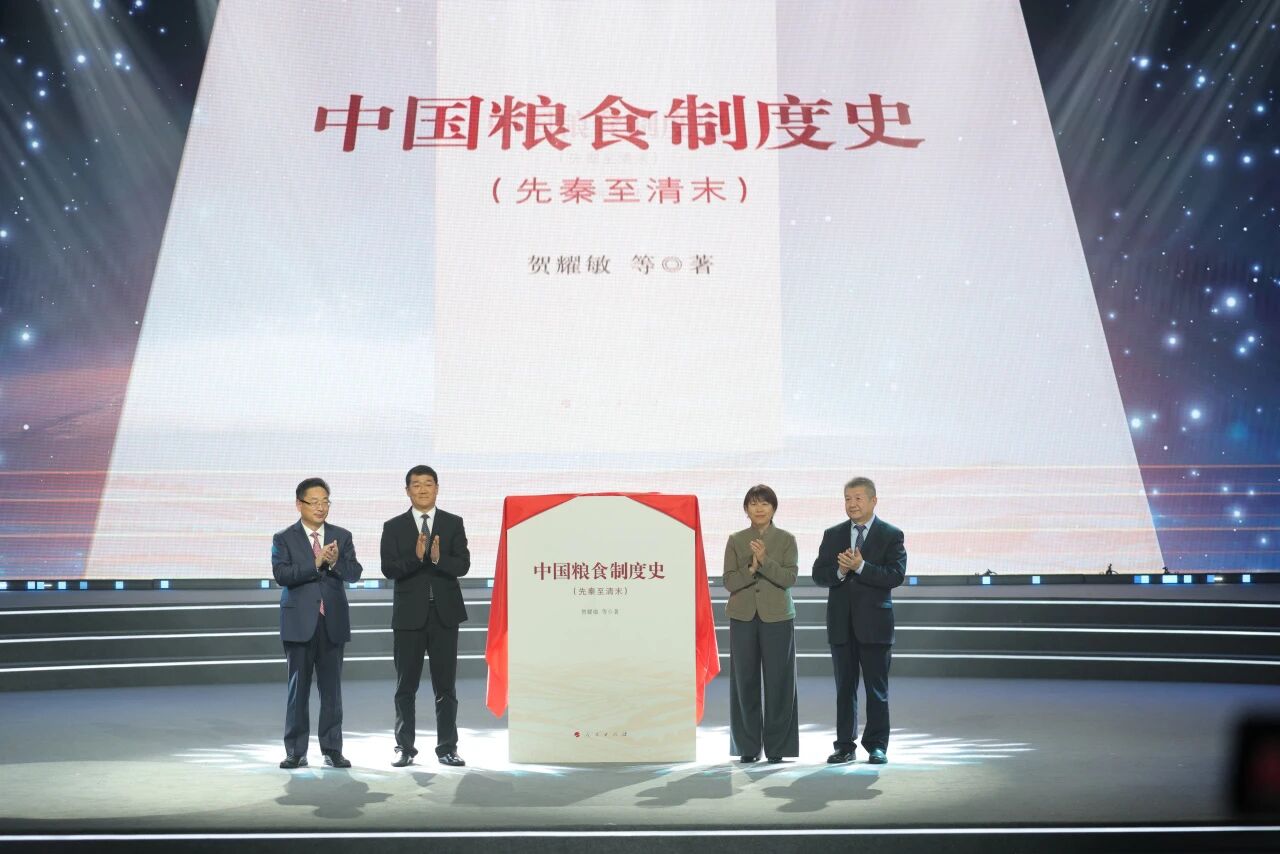
At the event, the launch ceremony of the book History of China’s Grain System was held.
The book "History of China's Grain System" was deployed by the Party Leadership Group of the National Food and Strategic Reserves Administration.The China Grain Research and Training Center organized experts from Renmin University of China, Northwest A&F University, and other institutions to research and compile.He Yaomin, former vice president of Renmin University of China and professor at the School of Economics, served as the chief editor. This book is the first to systematically discuss China's ancient grain system and proposes for the first time a Chinese ancient grain thought and institutional system that includes "grain security ideology" and "grain production system, reserve system, circulation system, distribution system, and disaster relief system." It not only fills the gap in related academic research but also provides a key to "using the past to serve the present" for reforming and improving China's modern grain system.
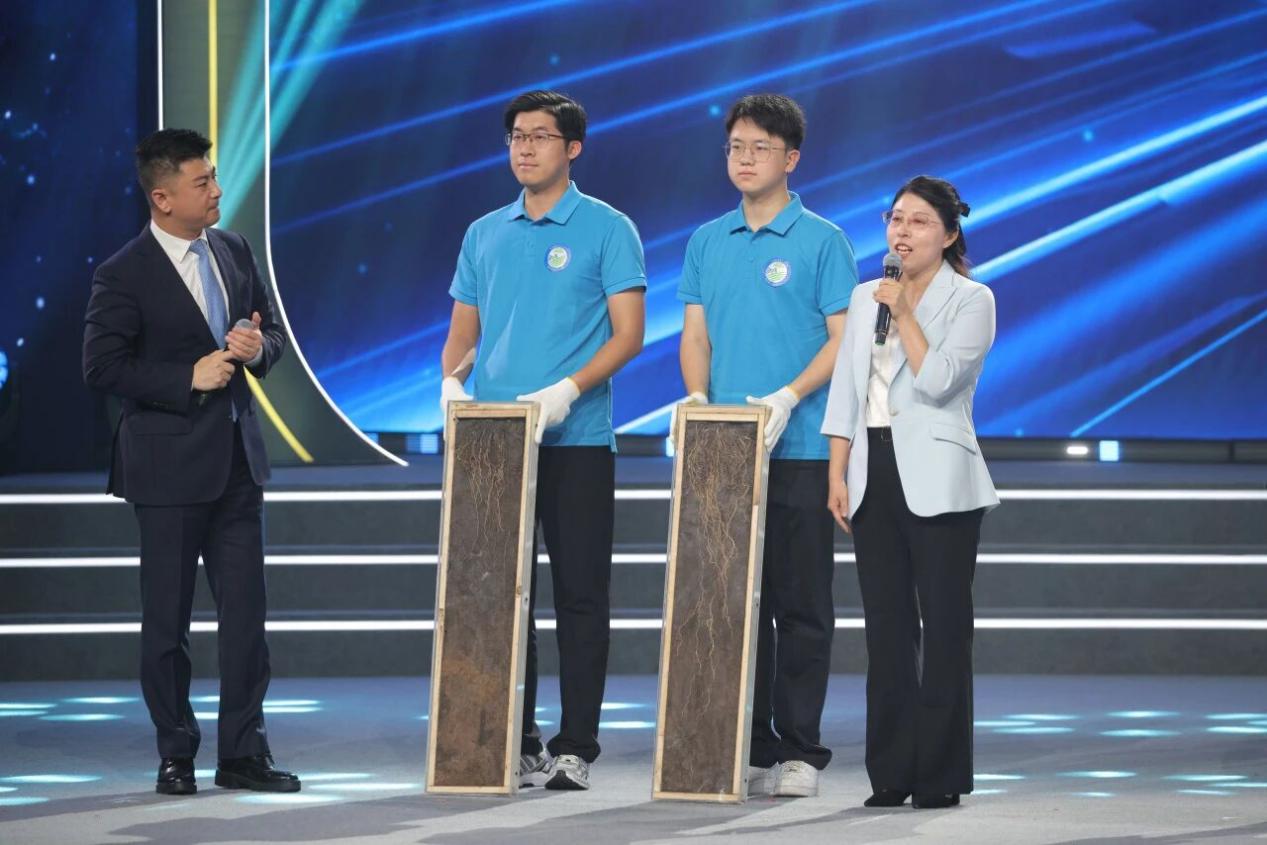
During the Food Saving and Loss Reduction Model Case Presentation Session, representatives from 11 exemplary cases, including Geng Xiaochen, Director of the Dining Services Center of Renmin University of China, as well as teachers and students from The High School Affiliated with Renmin University of China, gave live demonstrations showcasing their initiatives and best practices.
As an important national think tank on food security, Renmin University of China has contributed its “Chinese wisdom” to food loss reduction through a three-in-one model that integrates theoretical innovation, practical demonstration, and educational leadership.Theoretically, it was the first to propose the "Big Food Concept," promoting the transformation of food security towards quality, nutrition, and diversity, and building a comprehensive loss reduction system. Practically, it pioneered the "New Smart" grain-saving project, creating a "People's University model" for food conservation through intensive catering, intelligent management, and a closed-loop food education system. At the same time, it led the formulation of anti-waste guidelines for universities, promoting campus experiences nationwide and integrating the concept of grain conservation into ideological and political education to cultivate new talents for the era, contributing the strength of the People's University to securing China's food bowl and safeguarding global food security.
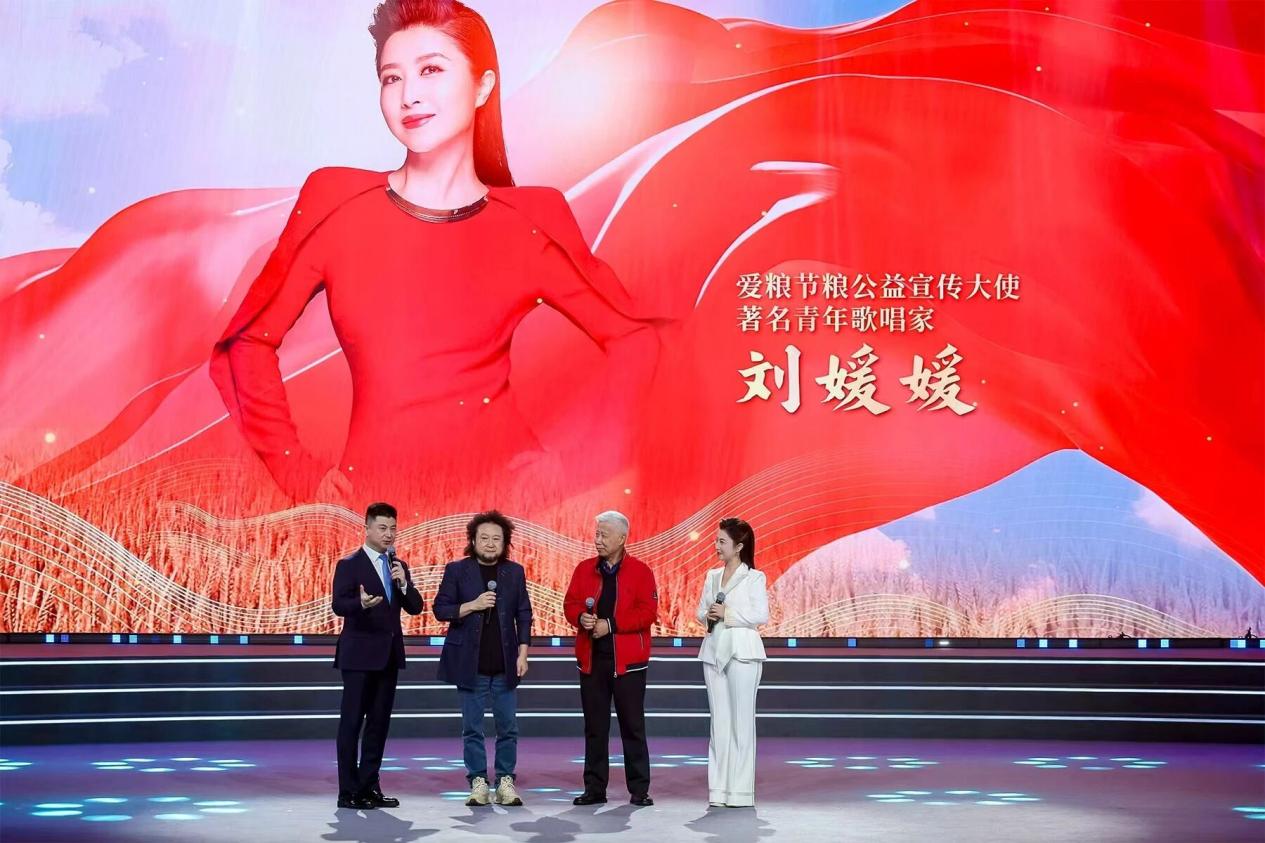
At the main venue, commemorative stamps marking the 80th anniversary of the United Nations Food and Agriculture Organization (FAO) were issued. The event also announced renowned young singer Liu Yuanyuan as the public ambassador for promoting grain conservation and announced the release of the theme song 'Grain Security for All', which Liu performed live.

Teng Zengtai, Chief Engineer of the National Food and Strategic Reserves Administration, along with principal officials and representatives of staff members from various departments and bureaus, the Beijing Bureau, and relevant departments of national authorities; representatives from the International Fund for Agricultural Development; faculty and student representatives from Renmin University of China and The High School Affiliated to Renmin University of China; as well as officials and staff representatives from relevant departments of Beijing Municipality—more than 1,200 participants in total—attended the event on site. Simultaneous promotional activities were held across all 31 provinces nationwide.
The School of Agricultural Economics and Rural Development undertook the preparatory work and on-site coordination for the event. More than 200 people, including members of the school’s leadership, faculty and student representatives, and volunteers, participated in the event. Over the years, the school has closely aligned its work with the country’s major strategic needs in food security and rural revitalization, taking the lead in proposing the academic framework of the “Big Food Perspective”.It has also contributed significant “Renmin University wisdom” to the global issue of reducing food loss. Looking ahead, the school will further strengthen theoretical research and policy interpretation, providing stronger talent support and intellectual contributions to safeguarding the nation’s grain supply and ensuring China’s food security.